Most small digital cameras use either a model-specific lithium-ion pack, or standard AA / AAA cells. The charger has to match the battery route.
AA / AAA batteries
Some older compact cameras use standard AA or AAA batteries. They look simple, but digital cameras are high-drain devices, especially when the flash and screen are on.
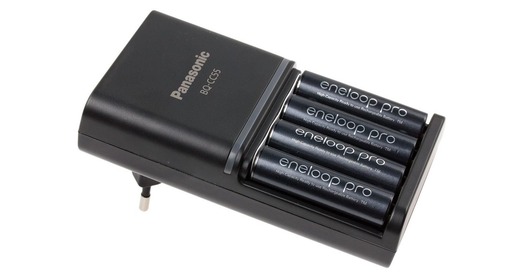
Rechargeable NiMH AA / AAA
Use rechargeable NiMH batteries for regular shooting. They are designed for high-drain devices and usually handle flash use better than disposable alkaline batteries. Charge them before testing because rechargeable cells self-discharge even when unused.
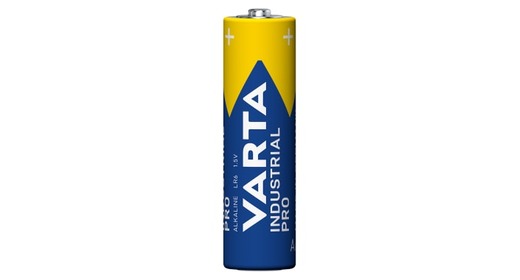
Disposable AA / AAA
Disposable alkaline AA or AAA batteries can work for a quick emergency test. They are not ideal for regular use because they drain fast in digital cameras, especially with flash.
Li-ion battery packs
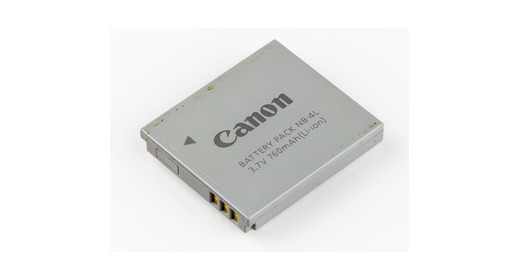
Many compact cameras use a model-specific lithium-ion battery. The battery code is usually printed on the battery itself, and the charger has to match the charging route.
Li-ion battery pack
Search the exact battery code printed on the pack, such as NB-4L, NB-6L, NP-BN1, or NP-BX1. A similar-looking pack can still have the wrong contact layout or voltage.
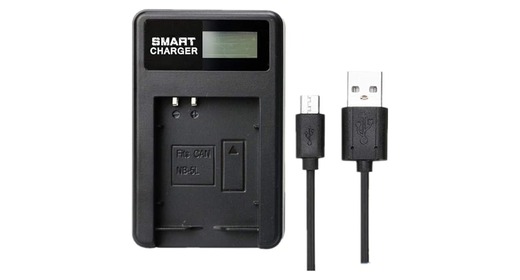
Dedicated charger
This charger is made for a specific battery model or battery family. Buy it by matching the code printed on the battery or the camera manual. It is the safest simple option when the exact model is clear.
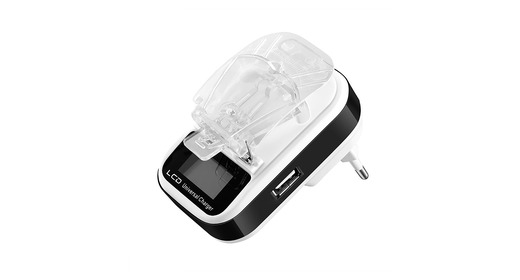
Universal charger
A universal charger uses adjustable contacts and can charge many flat Li-ion camera batteries. It is useful when you own several battery types, but you still need to align the contacts correctly and check polarity.